Is your home making you sick? Explore indoor air quality solutions and HVAC services in San Diego.
Poor indoor air quality (IAQ) occurs when pollutants, biological agents, or imbalanced humidity build up indoors and reduce the air’s ability to support health and comfort. This article explains how indoor air can cause symptoms ranging from headaches and allergy flares to worsened asthma, why HVAC systems can both help and harm IAQ, and what measurable steps San Diego homeowners can take to protect family health. You will learn to recognize common signs of poor IAQ, understand HVAC-related mechanisms like filtration, ventilation, and humidity control, and evaluate targeted solutions such as duct cleaning, filtration upgrades, whole-home purifiers, and humidity systems. Practical, region-aware guidance and diagnostic checklists show when to try DIY measures and when to call a professional, while clear comparisons of filtration technologies and monitoring metrics (PM2.5, VOCs, CO2, ACH) equip you to make informed decisions. Throughout the article, we reference local service options and explain how professional inspection and maintenance tie directly to measurable IAQ improvements, helping you decide next steps for a healthier home in San Diego.
What Are the Common Signs and Symptoms of Poor Indoor Air Quality?
Poor indoor air quality is the presence of contaminants or conditions indoors that provoke symptoms, reduce comfort, and increase health risk by irritating airways, eyes, and neurological function. The mechanism is exposure: pollutants like particulates, VOCs, and biological agents interact with respiratory and immune systems, producing predictable symptoms that reveal when air quality is a problem. Identifying these signs early helps homeowners pick the right remediation strategy and avoid chronic impacts. The list below summarizes the most common health and home indicators that suggest poor IAQ and prepares you to investigate specific causes in the following sections.
Common health symptoms and visible indicators include the following:
- Headaches and Fatigue: Frequent headaches, cognitive fog, or unexplained tiredness after spending time indoors.
- Allergy and Asthma Flares: Sneezing, itchy eyes, wheeze, or increased inhaler use tied to time spent at home.
- Irritation and Respiratory Issues: Persistent dry throat, sinus irritation, or recurring respiratory infections.
These signs often coincide with visible home indicators that point to indoor pollution or moisture problems, and recognizing them leads naturally to targeted HVAC and IAQ testing.
Which Health Issues Can Poor Indoor Air Cause?
Poor indoor air can trigger allergic reactions, exacerbate asthma, and increase susceptibility to respiratory infections by exposing occupants to allergens, irritants, and pathogens. Mechanistically, inhaled particles and VOCs stimulate inflammatory responses in the airways and mucous membranes, which can cause coughing, wheezing, and eye or throat irritation. Vulnerable groups — children, older adults, and immunocompromised people — face higher risks and may develop more persistent symptoms. Recognizing these clinical patterns helps homeowners prioritize interventions like filtration upgrades and targeted cleaning to reduce exposure and restore respiratory comfort.
These health concerns lead directly to common home signs you can check for yourself, which are covered next. What Visible Indicators Show Your Home’s Air Quality Is Poor?
Visible signs of poor IAQ include recurring dust accumulation, condensation on windows, musty odors, and any mold growth in hidden spaces; each of these indicates sources or conditions that increase pollutant loads indoors. Condensation and elevated humidity provide the environment mold spores need to grow on building materials and inside ductwork, while excessive dust signals particulates circulating through the ventilation system. DIY checks such as monitoring humidity with an inexpensive sensor, inspecting attic and crawlspace vents, and noting odor patterns help prioritize professional testing. When multiple visible indicators appear together, professional IAQ assessment and HVAC inspection are the logical next steps to identify root causes and quantify pollutant levels.
Knowing what pollutants are common indoors helps match these visible signs to likely contaminants, which we explain next.
What Are the Most Harmful Indoor Air Pollutants?
Key indoor pollutants include particulate matter (PM2.5), volatile organic compounds (VOCs), mold spores and biological allergens, carbon monoxide, and radon; each has distinct sources, mechanisms, and health impacts. PM2.5 comes from combustion and tracked-in dust and penetrates deep into the lungs, provoking inflammation and cardiovascular stress. VOCs off-gas from paints, cleaning products, and furnishings and can cause headaches, dizziness, or chronic irritation at elevated levels. Identifying the dominant pollutant—biological, particulate, or chemical—directs remediation choices like filtration upgrades, targeted source control, ventilation, or humidity management.
Understanding these pollutant types sets up the next section on how your HVAC system influences their movement and concentration indoors.
How Does Your HVAC System Affect Indoor Air Quality and Health?
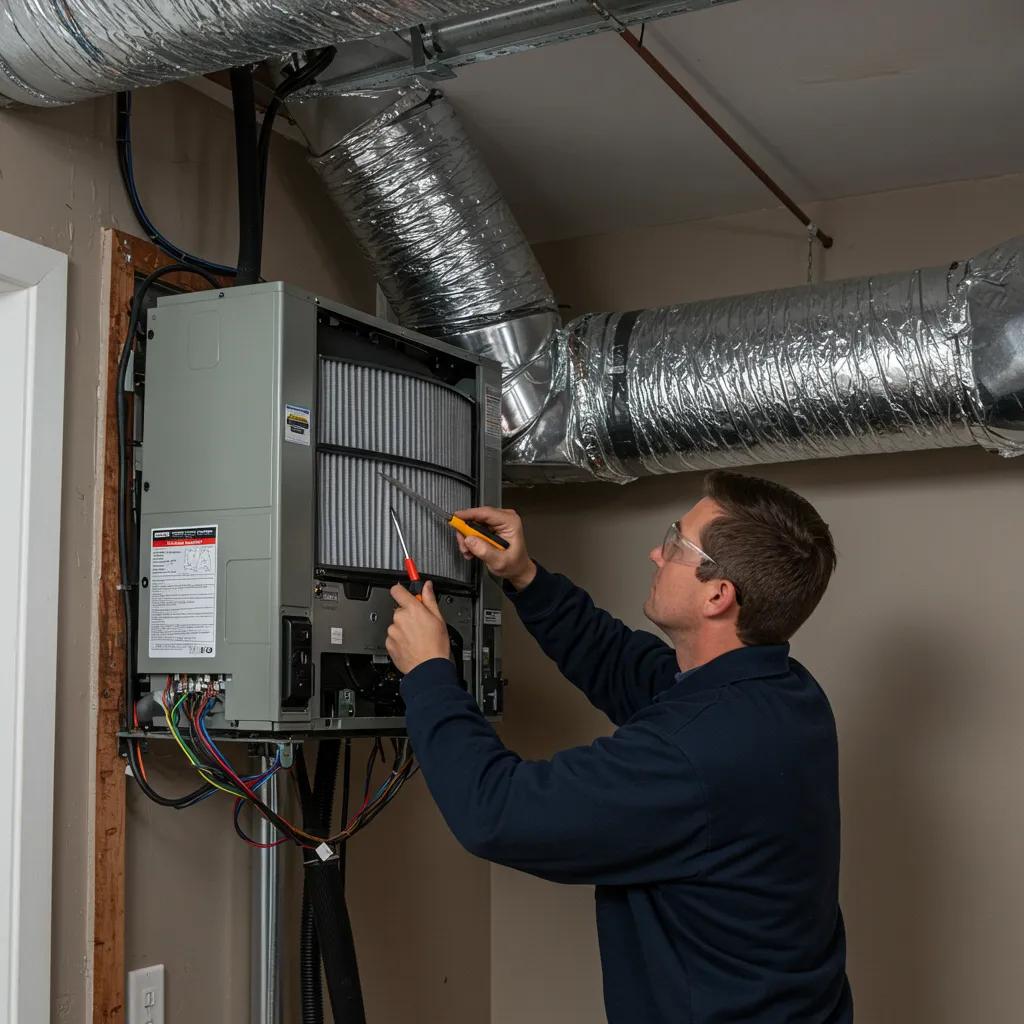
An HVAC system affects indoor air quality through three core mechanisms: filtration of particles, ventilation (bringing in outdoor air and exhausting indoor air), and humidity regulation; each mechanism alters pollutant concentration and exposure. Filtration removes particulates from recirculated air, ventilation dilutes indoor-generated pollutants and controls CO2, and humidity control prevents mold growth or overly dry air that irritates mucous membranes. When these mechanisms are impaired—dirty filters, leaky ducts, poor ventilation settings, or contaminated coils—the system can circulate pollutants and amplify health impacts rather than mitigate them. Addressing these HVAC-related issues often yields measurable IAQ gains such as lower PM2.5 counts, fewer allergy episodes, and improved thermal comfort.
Because HVAC systems have multiple components that can fail or harbor contaminants, the table below maps common components to typical problems and health impacts to help homeowners spot likely HVAC sources of poor air.
What HVAC Issues Lead to Poor Air Quality?
Several mechanical and operational issues degrade indoor air: insufficient outdoor air exchange, refrigerant or combustion leaks, coil contamination, and wrong-sized or low-efficiency filters. Insufficient ventilation traps VOCs and CO2, while contaminated coils and drain pans can produce microbial growth and odors that spread through ductwork. Leaky ducts draw dusty or contaminated air from attics or crawlspaces into living areas, increasing particulate and allergen loads. Spotting diagnostic signs like persistent odors, uneven airflow, or sudden allergy spikes helps homeowners decide whether to start with a targeted repair or a comprehensive inspection.
Detecting these issues early enables maintenance actions that directly improve IAQ, which is described in the next subsection.
How Does Regular HVAC Maintenance Improve Your Home’s Air?
Regular HVAC maintenance improves indoor air by ensuring filters are changed, coils and drain pans are cleaned, duct systems are inspected and sealed, and ventilation settings match occupancy and humidity needs. Mechanistically, maintenance removes pollutant reservoirs, restores designed airflow rates, and aligns system controls to maintain proper humidity—typically reducing particulate counts and limiting mold growth. Maintenance also improves energy efficiency, which indirectly supports better operation and less strain on components that can harbor contaminants. For San Diego homes, seasonal tune-ups timed before warm and cool seasons help ensure the system controls humidity and ventilation appropriately for local climate conditions.
Professional inspection combined with targeted maintenance creates measurable air quality improvements that homeowners can verify with monitoring, and professional services are discussed next for local San Diego needs. For a professional HVAC inspection and maintenance that identifies and fixes these issues, consider scheduling an assessment with Dale-Air to diagnose system faults and prioritize IAQ upgrades.
What Indoor Air Quality Solutions Does Dale-Air Offer in San Diego?

Dale-Air offers a suite of indoor air quality services designed to reduce pollutants, balance humidity, and improve ventilation in San Diego homes while prioritizing quality workmanship and customer satisfaction. Core services include advanced filtration upgrades such as MERV 13 and HEPA-compatible solutions for finer particle capture, whole-home purifier installations (UV and integrated HEPA systems) for microbial control, humidity control systems to prevent mold growth, and recurring HVAC maintenance plans to sustain IAQ gains. Each service targets different pollutant classes and operational gaps so homeowners can match solutions to symptoms and monitoring results. The table below compares key IAQ solutions by mechanism, typical removal targets, maintenance frequency, and ideal use-cases to help homeowners choose the most appropriate option.
How Does Regular HVAC Maintenance Support Indoor Air Quality?
Regular maintenance sustains IAQ by ensuring filters are replaced on schedule, coils and drain pans are cleaned to remove microbial growth, and ductwork is inspected and sealed to prevent infiltration of attic or crawlspace contaminants. Routine service also verifies ventilation rates, checks for combustion safety issues, and confirms that humidification/dehumidification controls operate correctly. These maintenance actions reduce pollutant reservoirs, improve airflow, and support consistent filtration performance—outcomes that translate to fewer allergy flares and measurable reductions in particulate counts. Establishing a recurring maintenance cadence prevents small issues from becoming air quality problems and preserves system efficiency.
Pairing maintenance with IAQ monitoring validates outcomes and informs further upgrades when needed.
How Can San Diego Homeowners Improve Indoor Air Quality with HVAC Services?
San Diego homeowners can improve IAQ by adopting a structured plan: schedule seasonal HVAC maintenance, choose appropriate filter upgrades based on household needs, address duct and coil cleanliness, install humidity control where moisture is an issue, and use monitoring to verify results. Practical steps include timing tune-ups before peak cooling and before wetter months, selecting MERV 13 or HEPA-compatible solutions for allergy-prone homes, and combining professional duct cleaning with a filtration upgrade for homes with visible contamination. Maintain indoor humidity between 30–50% guide decisions, and help quantify post-service improvements. These actions reduce exposure to known pollutants and enhance comfort and energy efficiency.
When Should You Schedule HVAC Maintenance for Better Air Quality?
Schedule HVAC maintenance at least once or twice per year—typically before summer cooling and before the cooler season—to ensure filters, coils, and drain pans are clean and ventilation settings are optimized for occupancy. In San Diego’s climate, a spring inspection ahead of heavy cooling use and a fall check before wetter months helps control humidityand prevents microbial growth. Immediate service is warranted if you notice reduced airflow, persistent odors, visible mold, or sudden allergy spikes tied to home time. Regular maintenance creates predictable operating conditions that sustain filtration efficiency and reduce the risk of IAQ degradation.
Planning maintenance proactively reduces the likelihood of emergency repairs and supports long-term air quality improvements.
How Often Should You Replace Air Filters for Optimal Health?
Filter replacement depends on filter type and household factors: generic guidance is every 1–3 months for standard pleated filters, monthly for heavy-use households or those with pets, and professionally monitored schedules for high-efficiency or HEPA-compatible setups. Higher-rated filters like MERV 13 capture finer particles but may need more frequent inspection to avoid airflow restriction and ensure systems operate efficiently. Allergy sufferers and households with pets should lean toward more frequent replacement or professional monitoring to prevent filter bypass or loading. Tracking pressure drop or following a technician’s inspection schedule gives the best balance of capture efficiency and system performance.
Choosing a filter and replacement cadence aligned with your system capacity and household needs ensures sustained health benefits.
Why Choose Dale-Air for Indoor Air Quality and HVAC Services in San Diego?
Dale-Air is a family-owned San Diego HVAC provider focused on lead generation and information support for homeowners seeking HVAC and IAQ solutions, emphasizing customer satisfaction and quality workmanship. The company provides the range of services homeowners need—from air conditioning repair and installation to duct cleaning, ductless mini-split services, thermostat work, and general HVAC maintenance—allowing integrated IAQ projects to be managed by a single local provider. Dale-Air highlights community commitment through support for local veterans and maintains a reputation for responsive, affordable service as reflected in a strong local rating. For homeowners ready to assess and improve indoor air, contacting Dale-Air starts the process of diagnostic assessment and prioritized remediation planning.
If you want a local service partner for IAQ assessment and HVAC maintenance, reach out to Dale-Air by phone at (619) 343-3524 or schedule an appointment here to request an inspection or quote.
What Makes Dale-Air a Trusted San Diego HVAC Provider?
Dale-Air’s trust factors stem from being family-owned with local ties, offering comprehensive HVAC services in the San Diego area that include air conditioning repair and installation, duct services, ductless mini-splits, thermostat work, and ongoing maintenance. This service breadth allows technicians to address pollutant sources and system issues holistically rather than piecemeal, improving the likelihood of durable IAQ improvements. The company emphasizes quality workmanship and affordable pricing, helping homeowners select practical solutions that align with budgets and health priorities. Local responsiveness and a service-first approach simplify booking inspections and following through on multi-step IAQ projects.